 2026
2026
Snohomish County Critical Area Monitoring and Adaptive Management Planning and Implementation
Wetland Predictive Model Development and Testing
2026
Wetland Predictive Model Development and Testing
 2026
2026
 2024
2024
 2024
2024
Showing all 17 papers.
 2024
2024
Riazi, A., & Wang, Y.
Classifies retweet cascades on X as broadcast or viral by deterministic causal inference rather than structural virality, so the distinction still holds when a cascade has more than one source.
 2022
2022
Riazi, A., Türker, U., & Slovinsky, P. A.
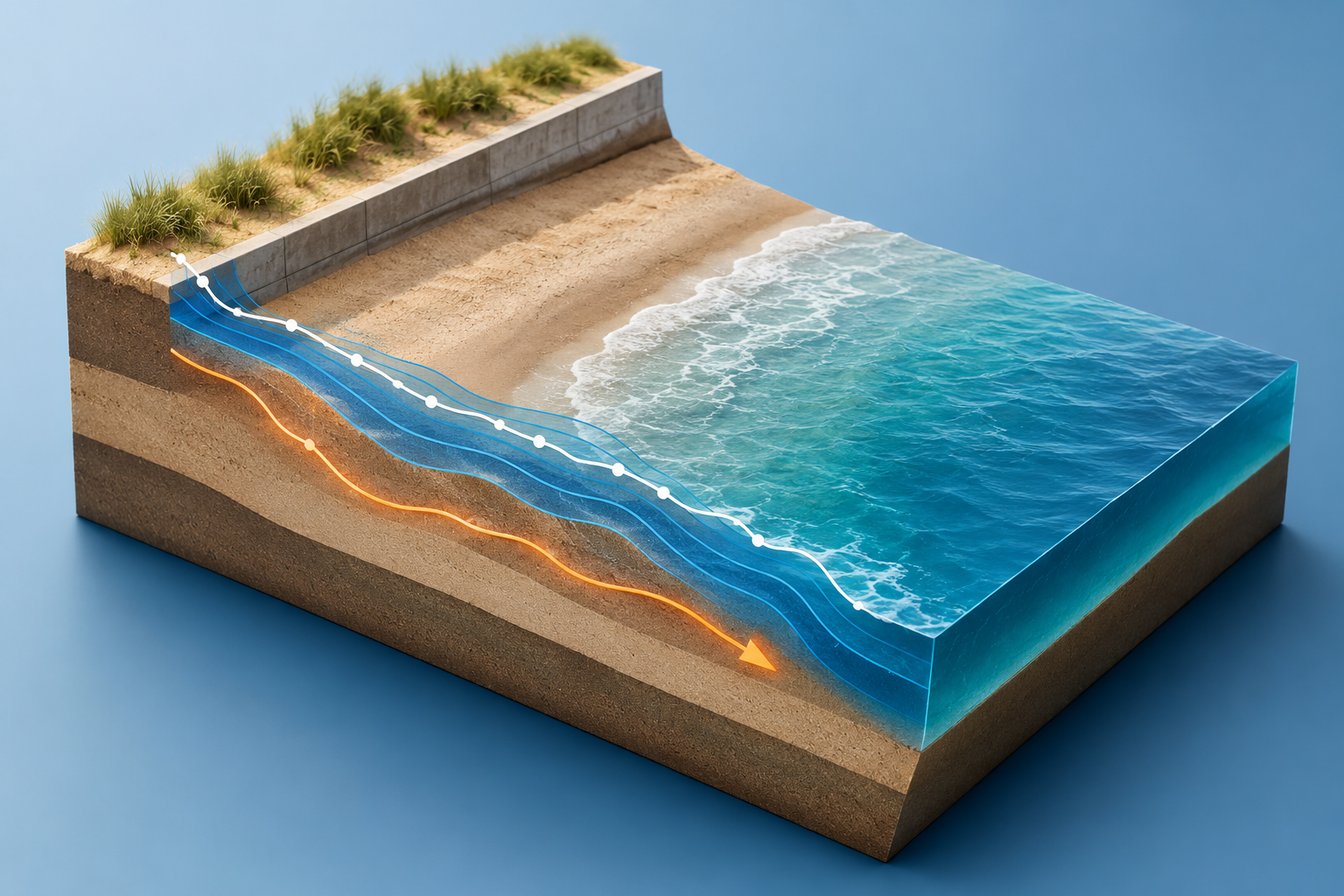
Applies the erosion and accretion balanced approach to 934 subaerial profiles from southwestern Maine, and finds the fourteen-year average profile does represent equilibrium, including through storms and abrupt sea level rise.
 2022
2022
Mohammadian, E., Liu, B., & Riazi, A.
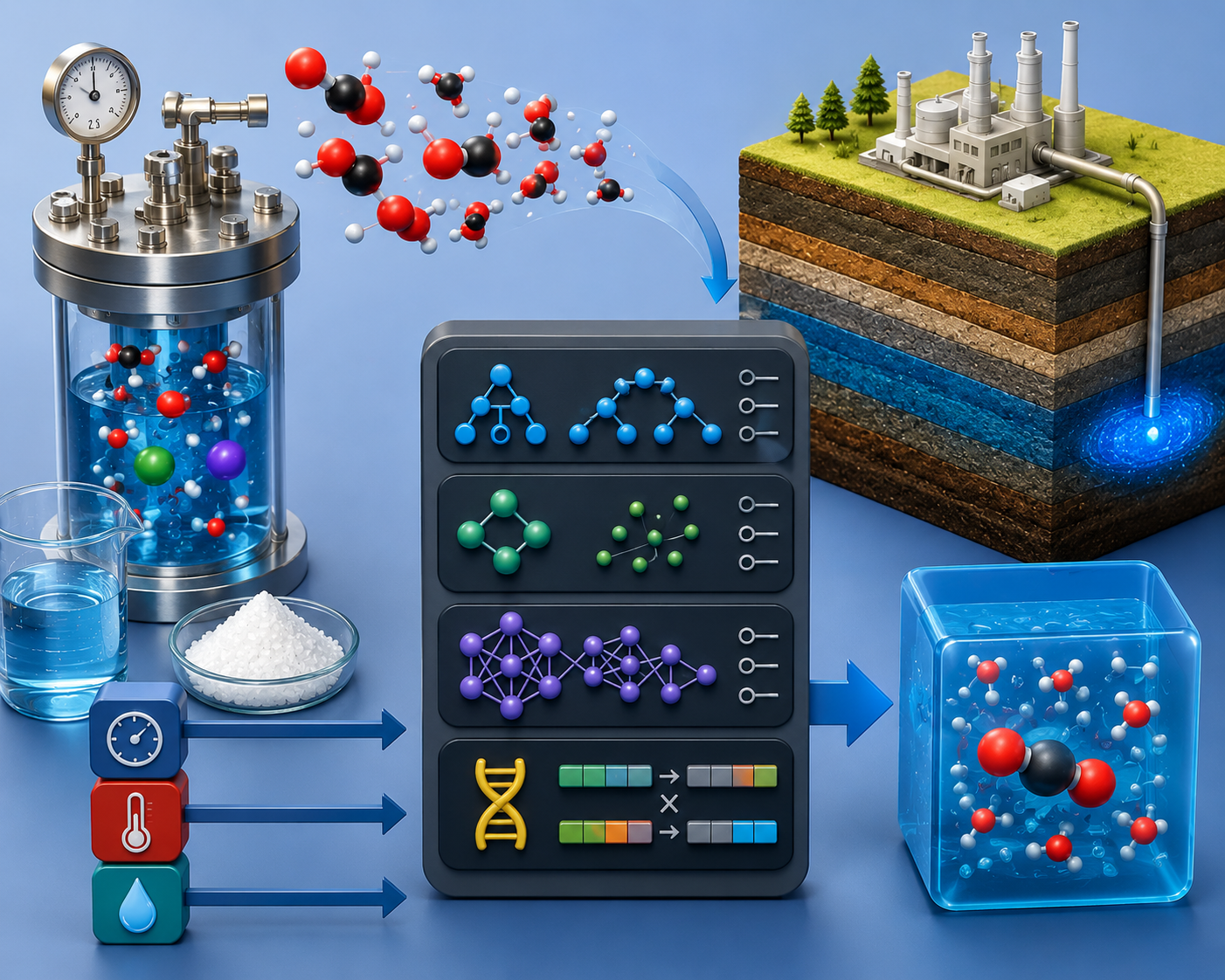
Estimates CO₂ solubility in NaCl brine from pressure, temperature and salinity with four data-driven methods, and derives a simple genetic-algorithm equation that holds beyond the range of the source data.
 2021
2021
Riazi, A., & Slovinsky, P. A.
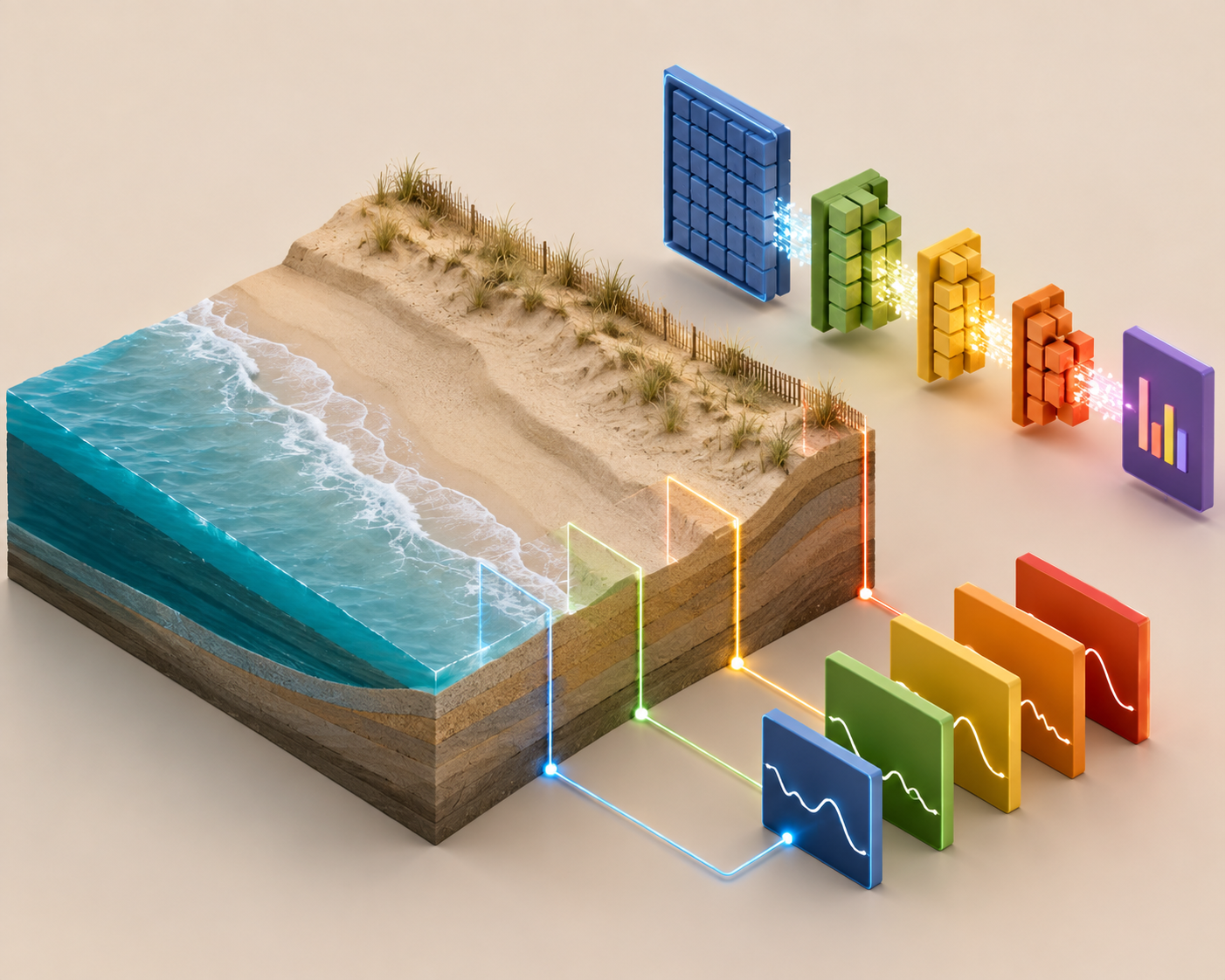
An unsupervised convolutional network sorts 916 subaerial profiles from six Maine beaches into 2, 3 and 5 groups with no criteria set in advance, finding the features the profiles share.
 2021
2021
Riazi, A., Türker, U., & Rakhshandehroo, G. R.
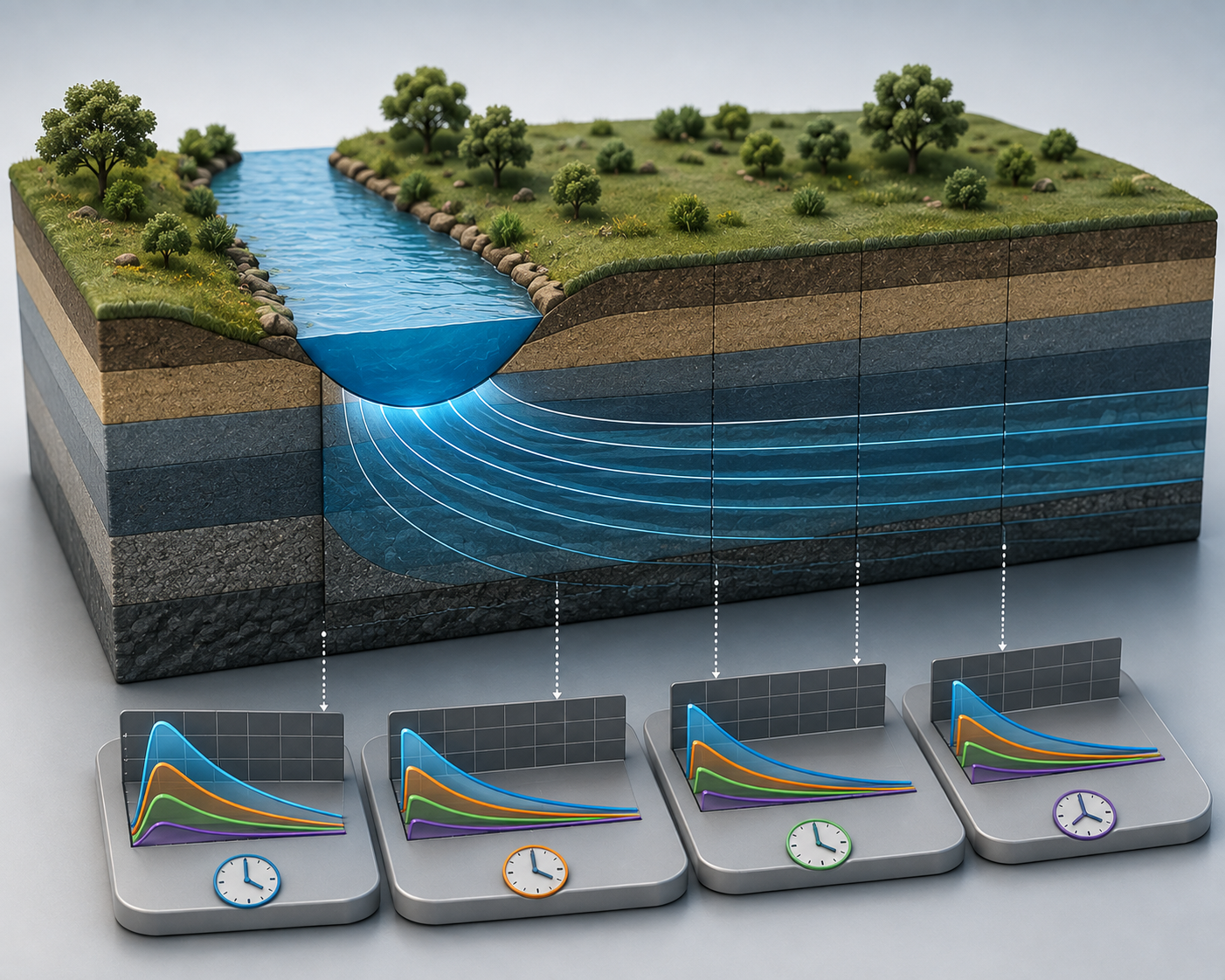
A numerical model built on Fick’s second law tracks how diurnal stream level changes travel as pressure head through a confined heterogeneous aquifer; gradual and sudden rises converge over time.
Kayan, G., Riazi, A., Erten, E., & Türker, U.
Unit hydrographs for 366 watersheds in northern Cyprus, with land cover and soil data in GIS, give a dimensionally homogeneous formula for peak unit discharge at ungauged sites, mean relative error 11.97 percent.
 2020
2020
Riazi, A.
A compact deep network estimates tide level from the forces and factors that produce the tide rather than fitting a curve to one site’s record, so a single network serves different beaches.
 2020
2020
Riazi, A., Vila-Concejo, A., Salles, T., & Türker, U.
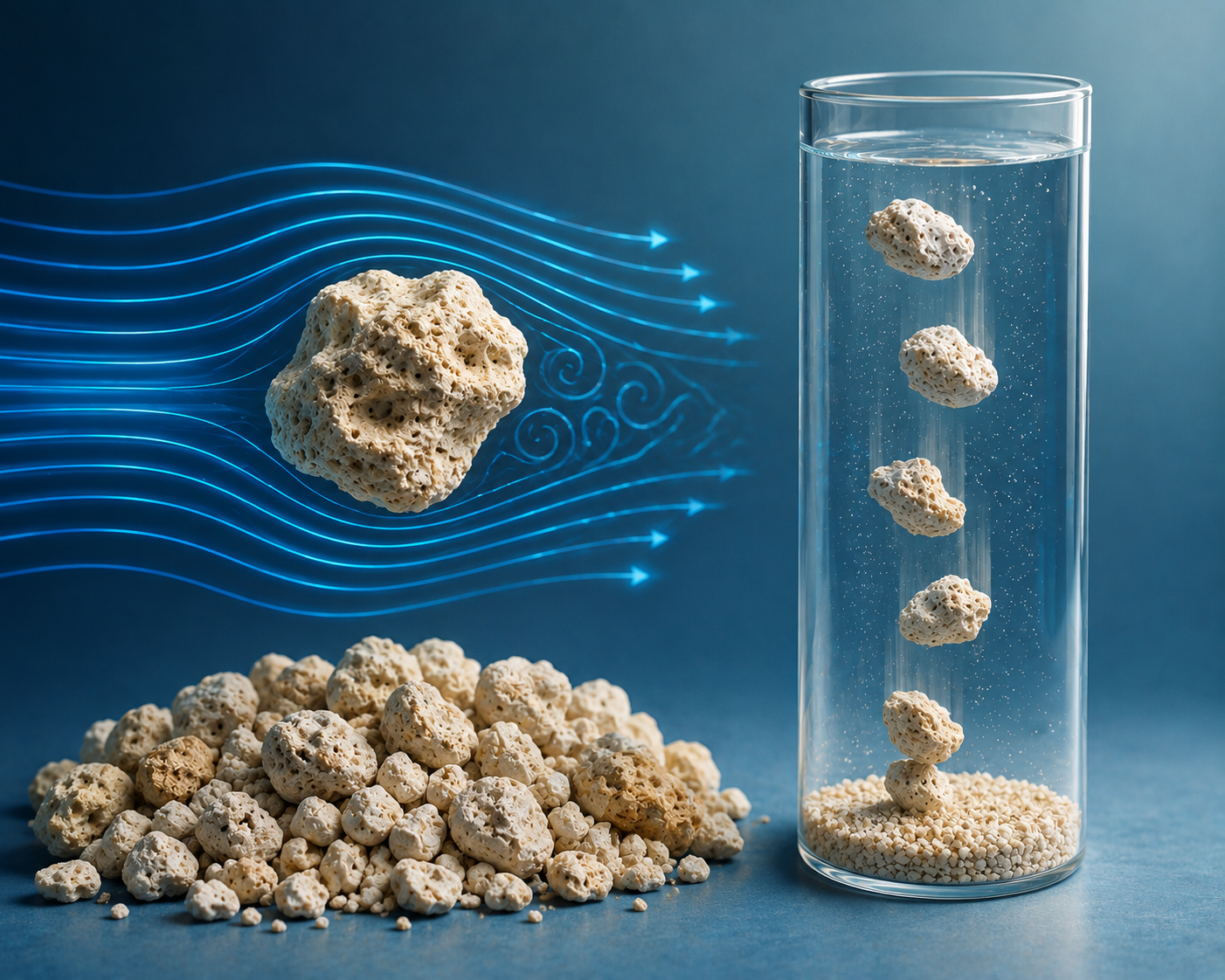
A drag coefficient for carbonate sand accounting for both friction and pressure, explaining settling velocities from 0.025 to 0.364 m/s and shifting sediment transport enough to warrant revising the numerical models.
 2020
2020
Riazi, A., Karmo, D., Shikh Ibrahim, M. A., & Amadou, S.
A three-hidden-layer neural network, optimized by genetic algorithm, estimates the weight and the failure load of a spaghetti bridge from an image of it.
 2019
2019
Riazi, A.
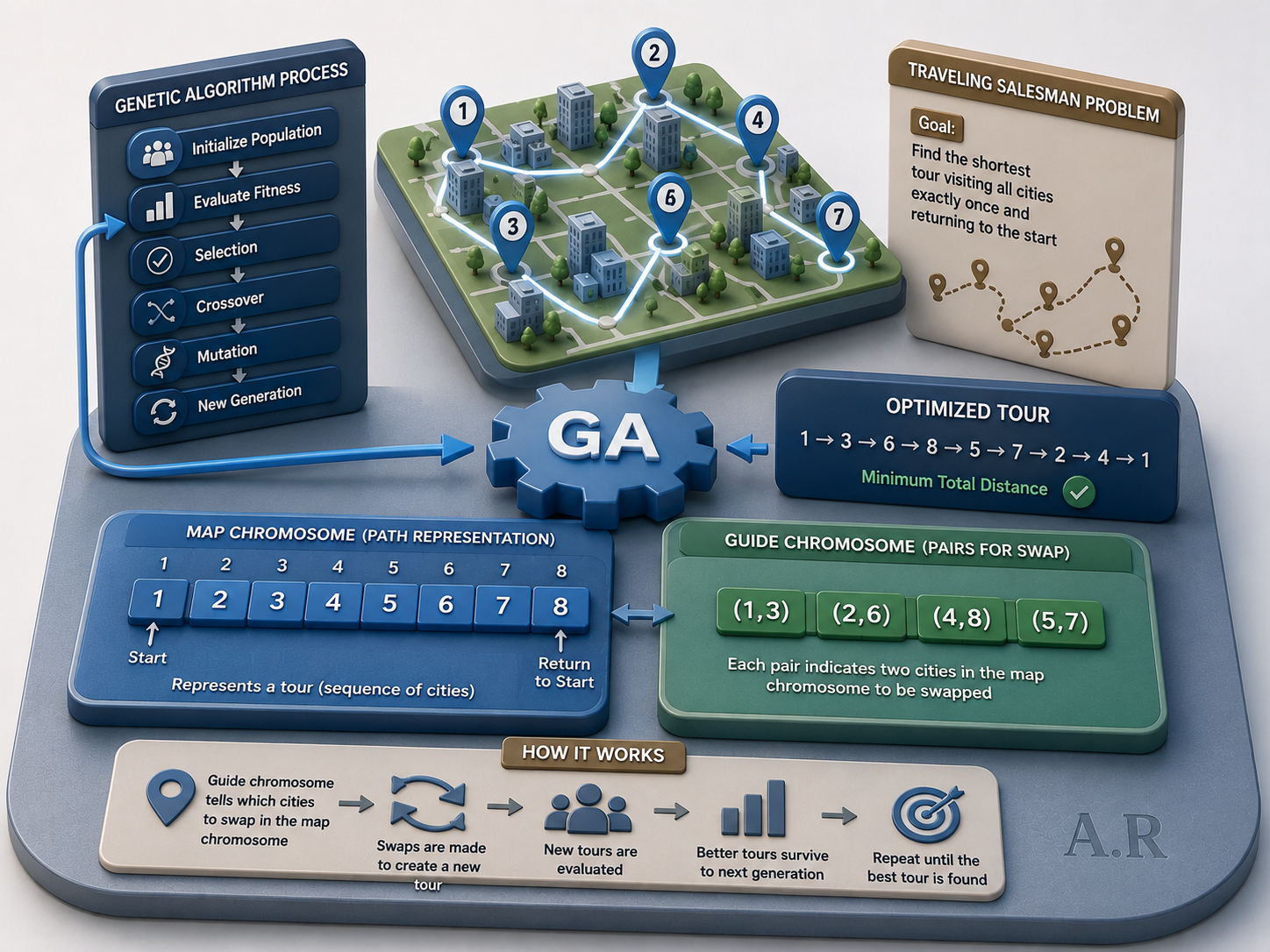
A double-chromosome representation for the traveling salesman problem that produces legal tours without a repair algorithm, converging on short tours across a range of test cases.
Ashoor, A., & Riazi, A.
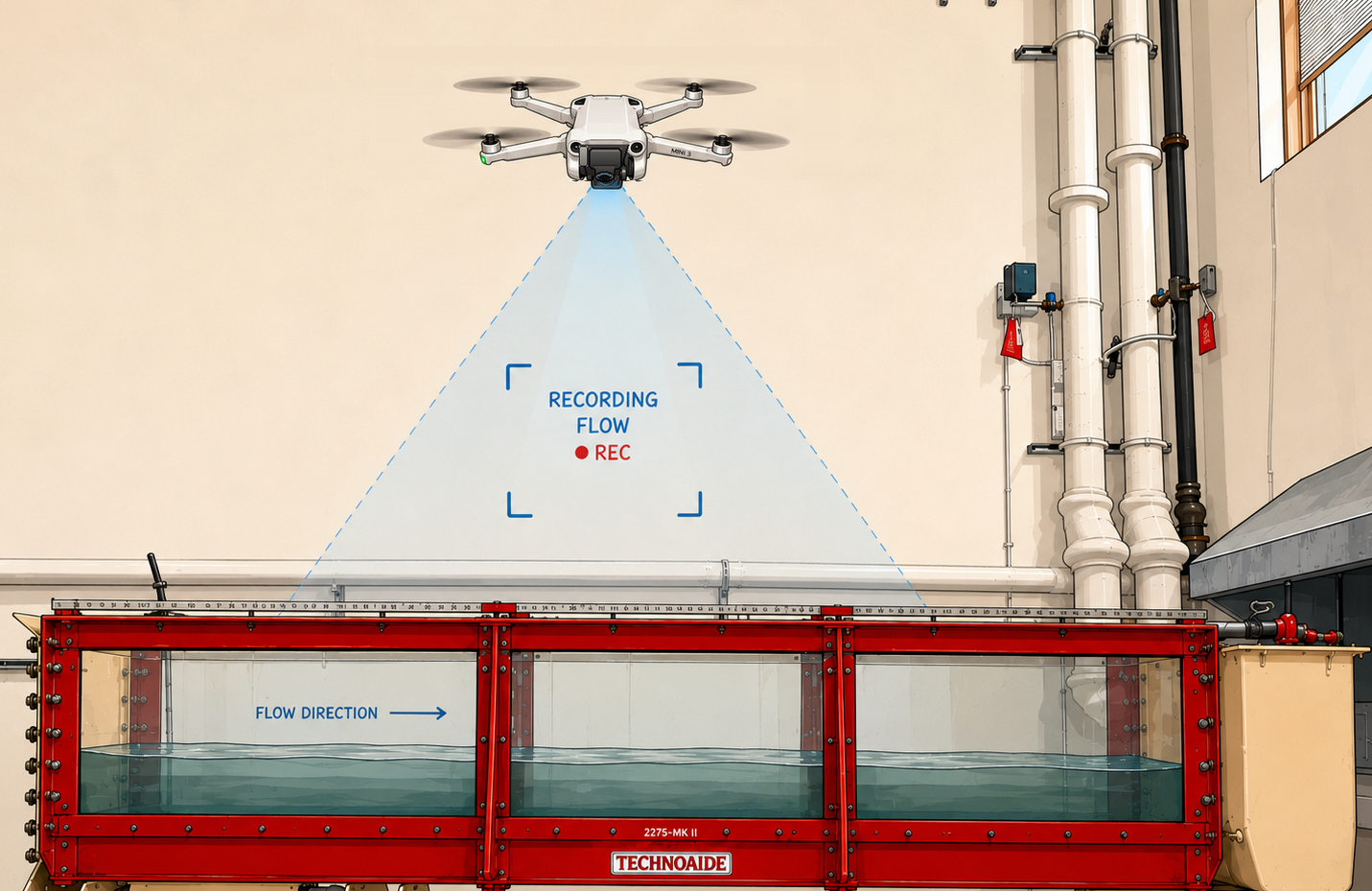
InterFOAM simulations of non-uniform stepped spillways in skimming flow: a 1:3 ratio between successive step lengths sets up vortex interference between adjacent cavities and raises energy dissipation by up to 20 percent.
 2019
2019
Riazi, A., & Türker, U.
Redefines the drag coefficient from nominal diameter, gravity, kinematic viscosity and particle shape rather than Reynolds number, improving estimates by about 3.8 percent and carrying shape directly into the settling velocity equation.
 2018
2018
Riazi, A., & Türker, U.
A search space splitting pattern that keeps a genetic algorithm simple while covering the whole space, tested on Levy No. 5 and on Manning’s equation, equilibrium beach profiles and settling velocity.
Riazi, A., & Türker, U.
A boundary-based profile scale factor, normalized to one global value, gives an initial linear profile whose erosion and accretion balance marks a turning point and shows whether the profile is in equilibrium.
Nguyen, K., Patel, D. J., Nguyen, T., Tran, N., Riazi, A., Lauer, J. W., Bae, W. D., et al.
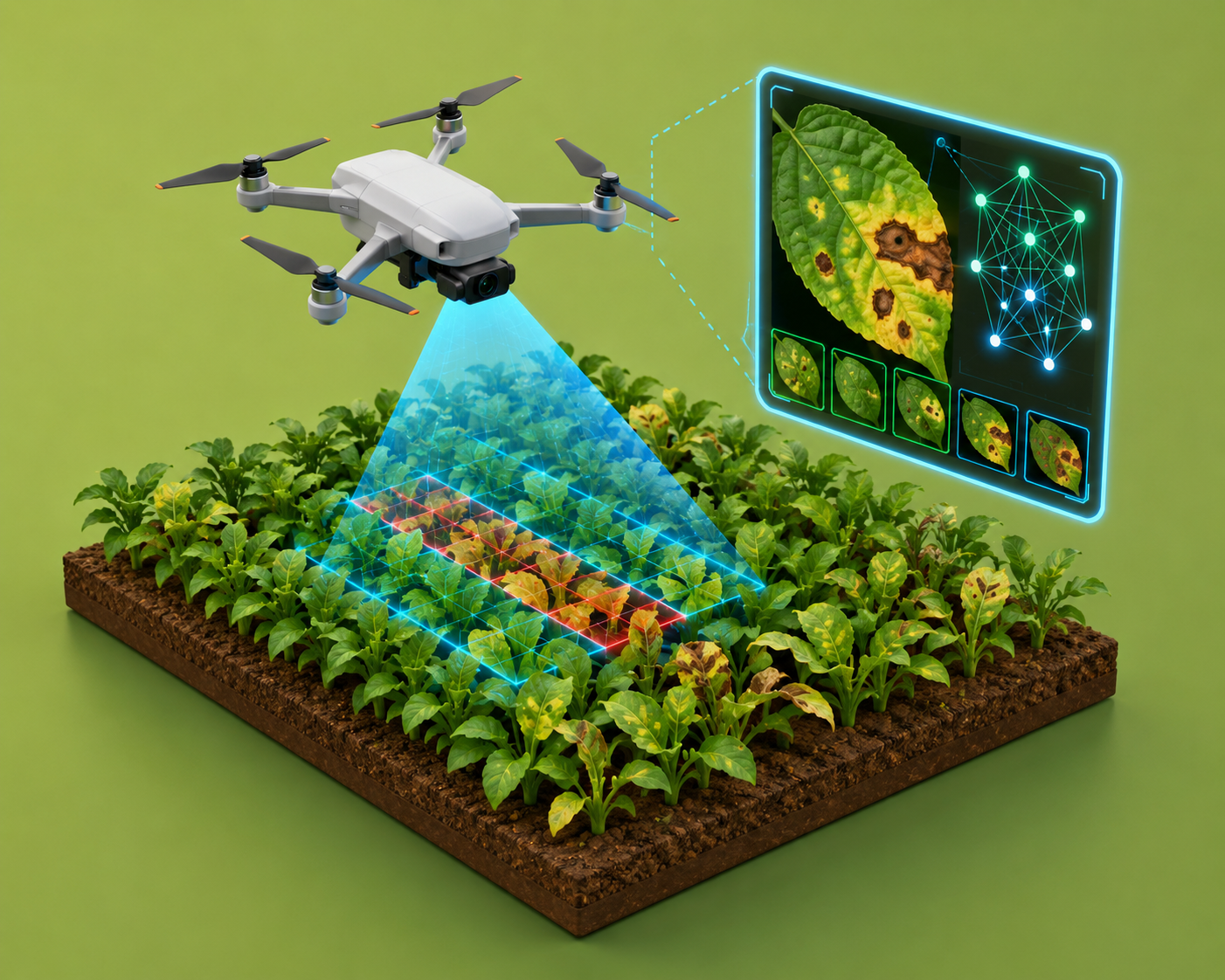
A modular pipeline for UAV point clouds: color-based segmentation, then regression and DBSCAN clustering for apple counts, with bounding box, sphere and ellipsoid fits for per-fruit volume and field-level yield. Regression reaches R² about 0.99 against annotated counts.
 2022
2022
Riazi, A., & Wang, Y.
Reads the topology of Twitter retweet networks and finds that human and bot accounts follow different patterns when spreading true stories and when spreading false ones.
Layeghi, R., Riazi, A., & Türker, U.
Tests the parabolic bay shape approach, and two modifications of it, against the headland bay coastlines of eastern Cyprus, where dam construction has cut off river sediment; most are static, and headland extensions are proposed where diffraction points leave a coast unstable.
Collaboration
Send over the question and whatever data you have on hand. I’ll give you a straight answer on whether there’s a paper in it.