Advancing AI Research and Education in Engineering
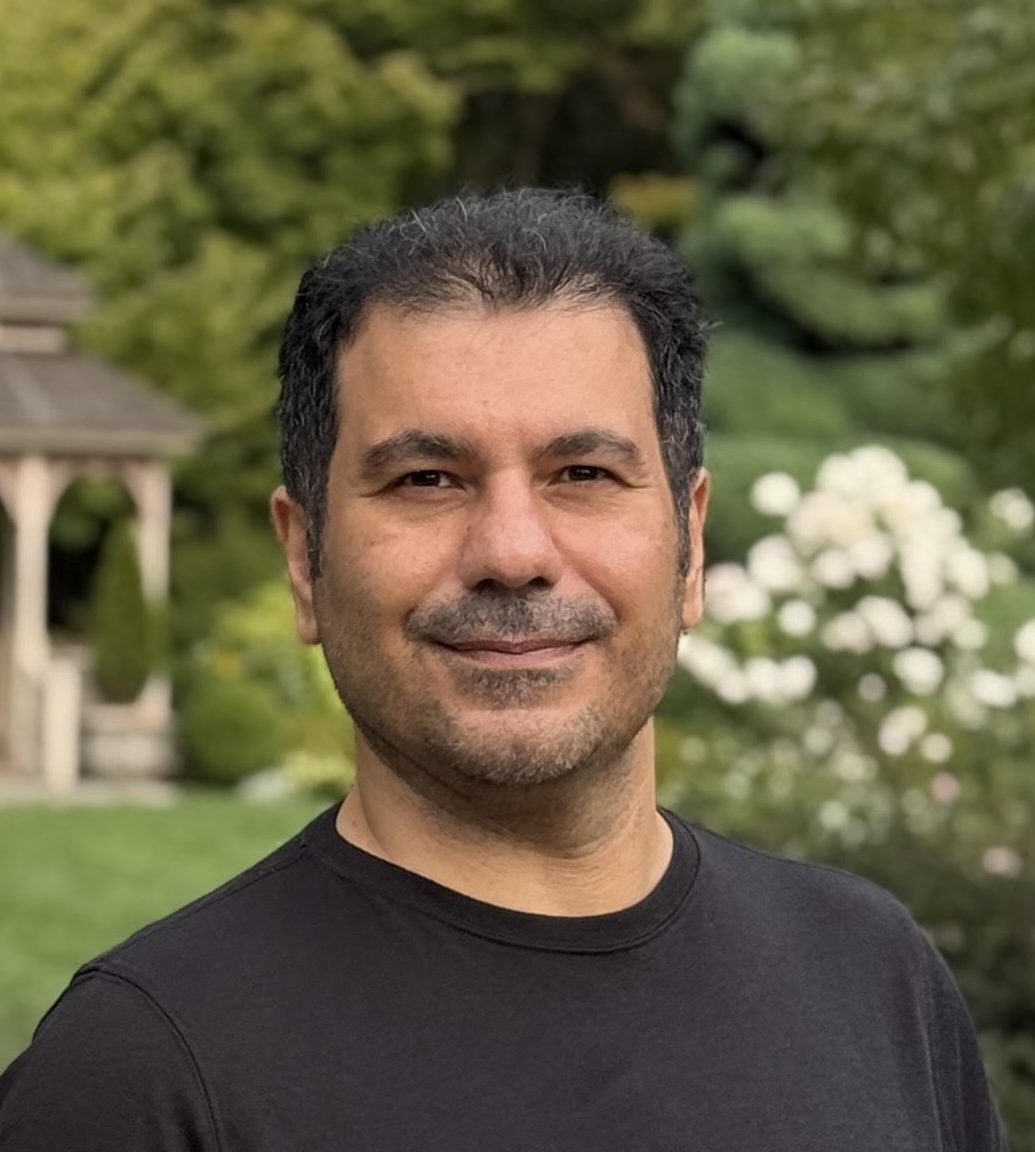
Dr. Amin Riazi conducts research in artificial intelligence, machine learning, and large language models, with applications in engineering and scientific domains. He delivers invited talks, keynote lectures, and academic workshops that bridge theoretical AI research with practical implementation.
Selected AI & Machine Learning Research
Representative peer-reviewed research demonstrating AI, machine learning, and deep learning applications in engineering domains and scientific inquiry.
Accurate Tide Level Estimation: A Deep Learning Approach
Demonstrated that physics-informed deep learning models can achieve predictive accuracy matching or surpassing traditional harmonic analysis methods for tidal prediction in coastal engineering applications.
Differentiating Broadcast from Viral Information Diffusion Using AI
Developed a novel AI-driven causal inference methodology to distinguish fundamentally different mechanisms of information spread in social networks.
Beach Profile Classification Using Unsupervised Deep Learning
Applied unsupervised deep learning techniques to automatically discover and classify complex coastal morphological patterns without labeled training data.
Academic Invitations and Research Engagements
Dr. Riazi welcomes invitations for keynote lectures, invited talks, and academic workshops on artificial intelligence, large language models, machine learning applications, and AI in engineering for universities, research institutions, academic conferences, and professional development programs worldwide.